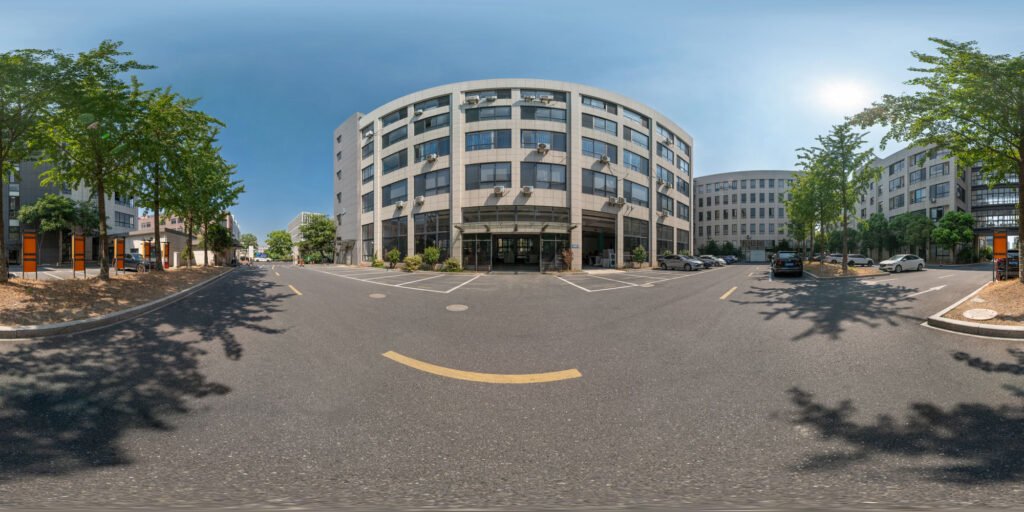
Energy Recovery Ventilator
Energy Recovery Ventilators (ERVs)
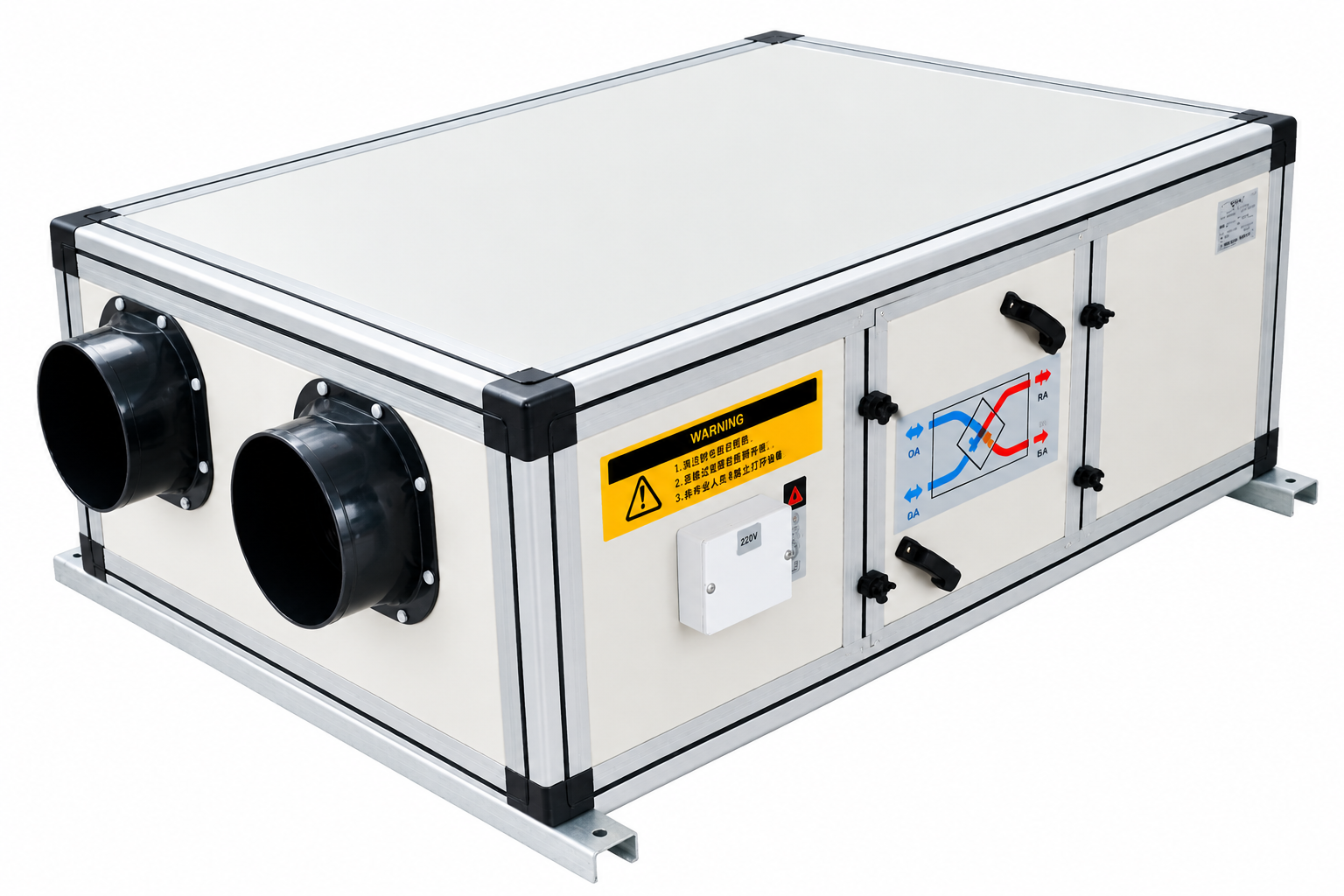
Energy recovery ventilators (ERVs) are designed to provide fresh outdoor air while recovering energy from the exhaust air. By transferring heat and, where supported by the recovery core, moisture between incoming and outgoing air streams, ERVs help reduce ventilation-related energy loads.
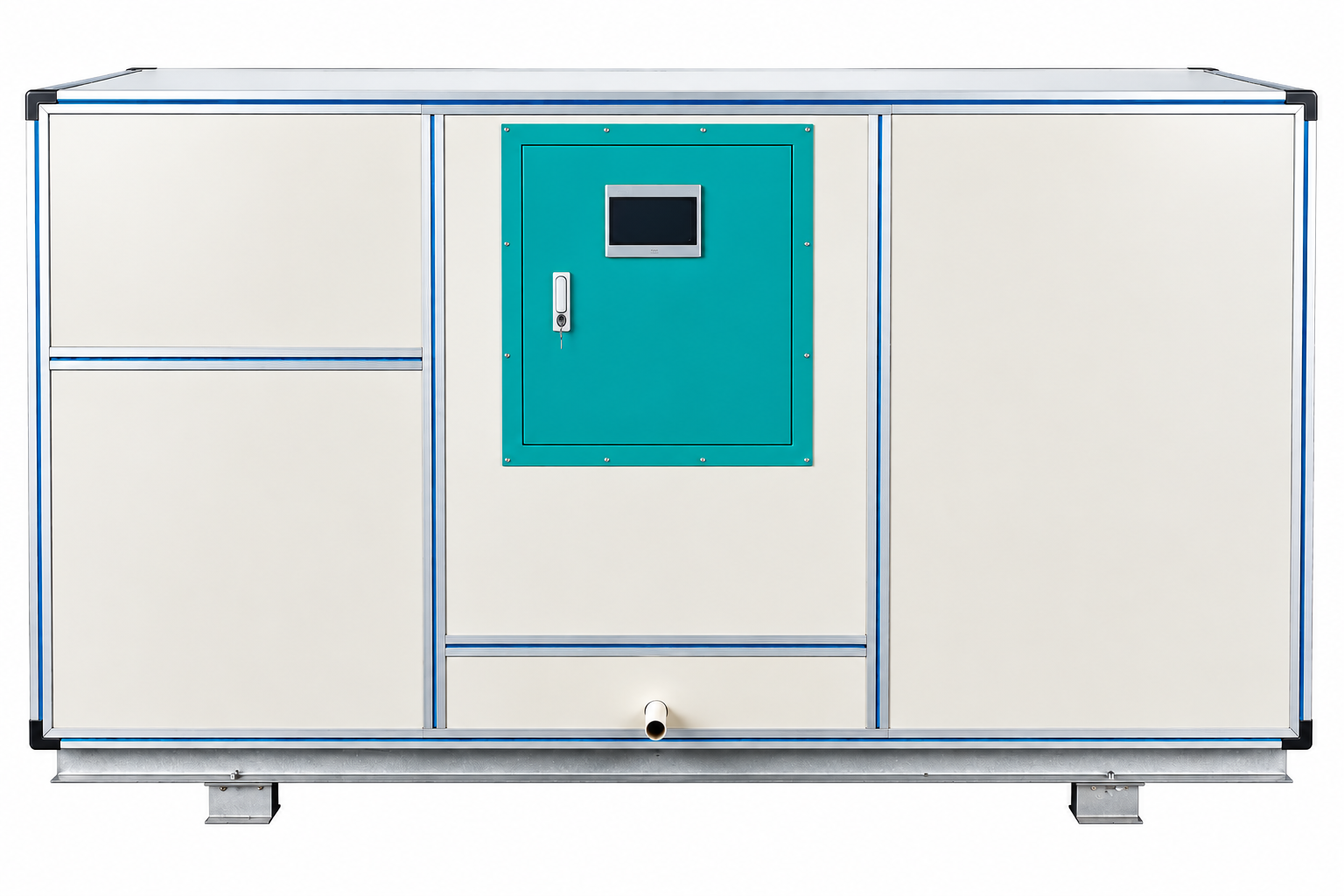
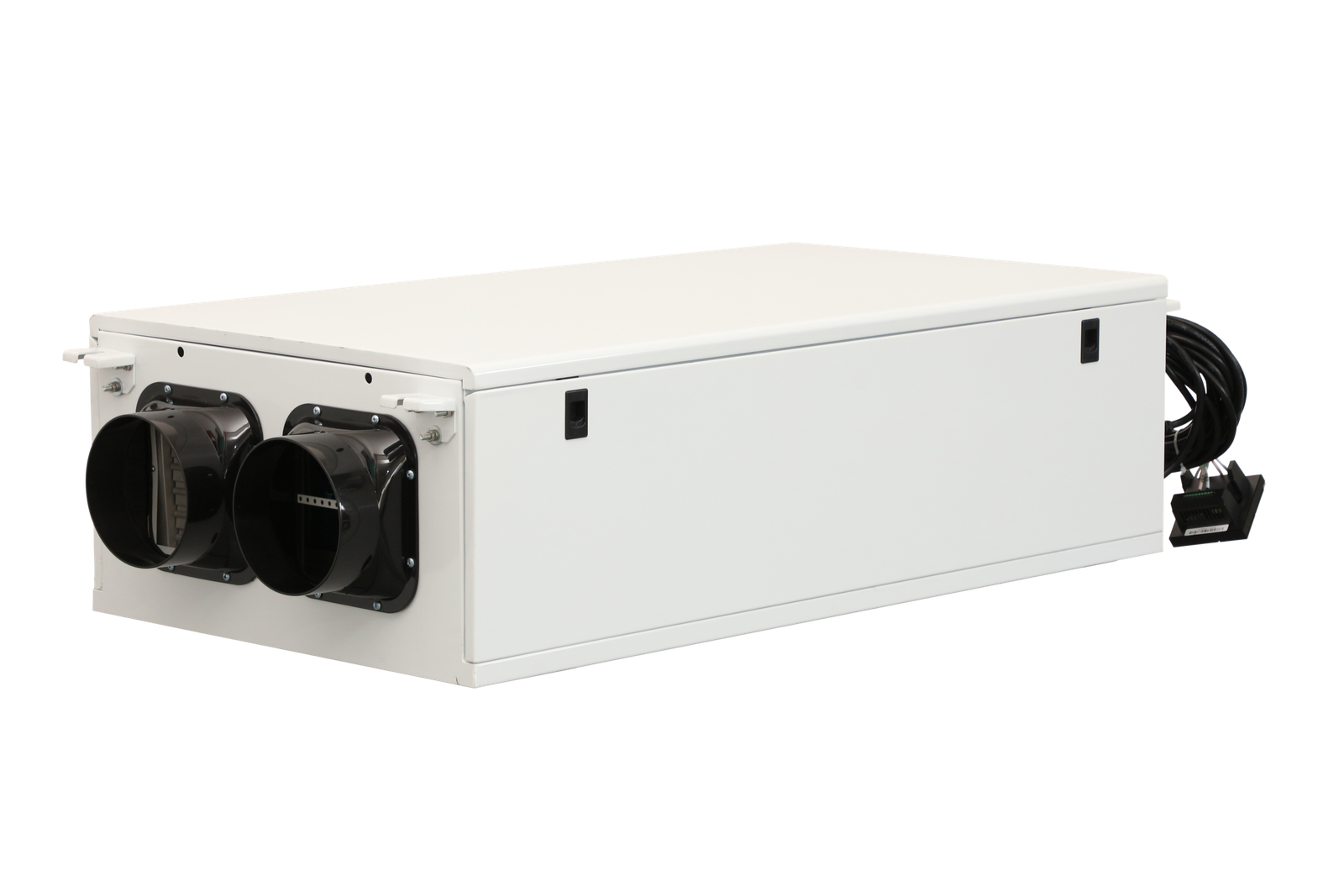
Sunchine ERVs can be configured for different building ventilation requirements, with options for airflow capacity, heat recovery core, filtration, fan selection and unit installation. The equipment can be tailored to project-specific requirements for commercial buildings, offices, hotels and other facilities.
With flexible configurations and engineering support, we help contractors and project owners select suitable energy recovery ventilation solutions for their applications.
Key Benefits of Sunchine ERVs
Efficient Energy Recovery. Healthier Indoor Air. Flexible Solutions.
Energy Recovery
Recover heat and, where supported, moisture between incoming and exhaust air.
Fresh Air Ventilation
Provide a continuous supply of outdoor air while exhausting indoor air.
Flexible Configuration
Configure airflow, filtration and installation to meet project requirements.
Customized Solutions
Receive project-based equipment selection and engineering support.
How Energy Recovery Ventilator Works
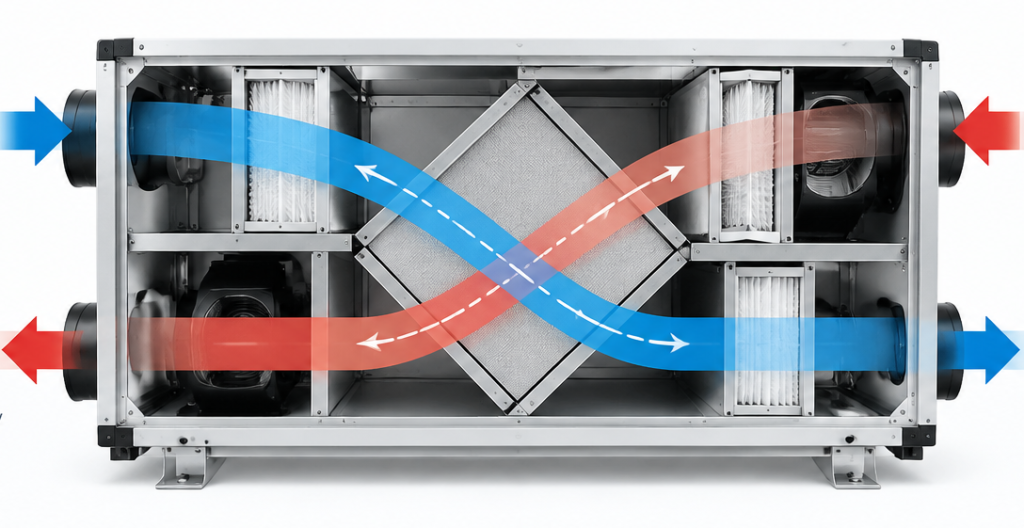
Integrated temperature and humidity control for stable indoor environmental conditions.
1. Fresh Air Intake
Outdoor air enters the ERV through the intake duct and passes through a filter to remove airborne particles.
2. Heat & Moisture Recovery
As outdoor air passes through the energy recovery core, heat and moisture are transferred between the incoming and outgoing air streams, depending on the core type and operating conditions. This helps reduce the energy required for indoor climate control.
3. Fresh Air Supply
The filtered and pre-conditioned outdoor air is delivered into the building, helping maintain indoor air quality while reducing ventilation-related heating and cooling loads.
4. Exhaust Air Discharge
Stale indoor air passes through the recovery core, transferring energy to or from the incoming outdoor air, before being discharged outside. The two air streams remain separated within the core.
Applications
Where Energy Recovery Ventilators Are Used
Flexible fresh air ventilation solutions for commercial, institutional and residential buildings.
Commercial Buildings
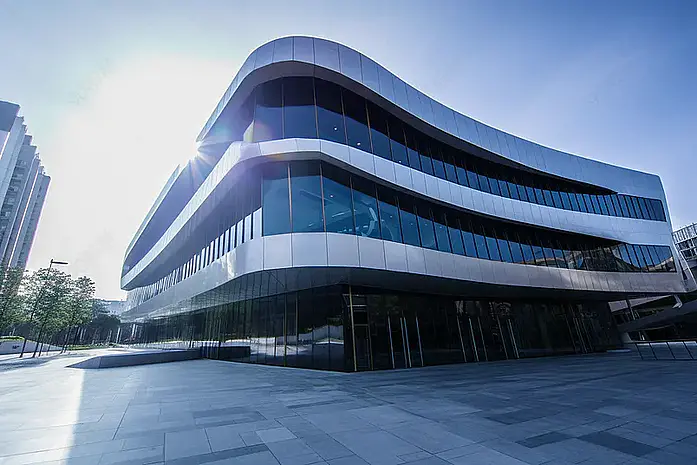
Provide filtered outdoor air while recovering energy from exhaust air to help reduce ventilation-related energy loads.
Offices
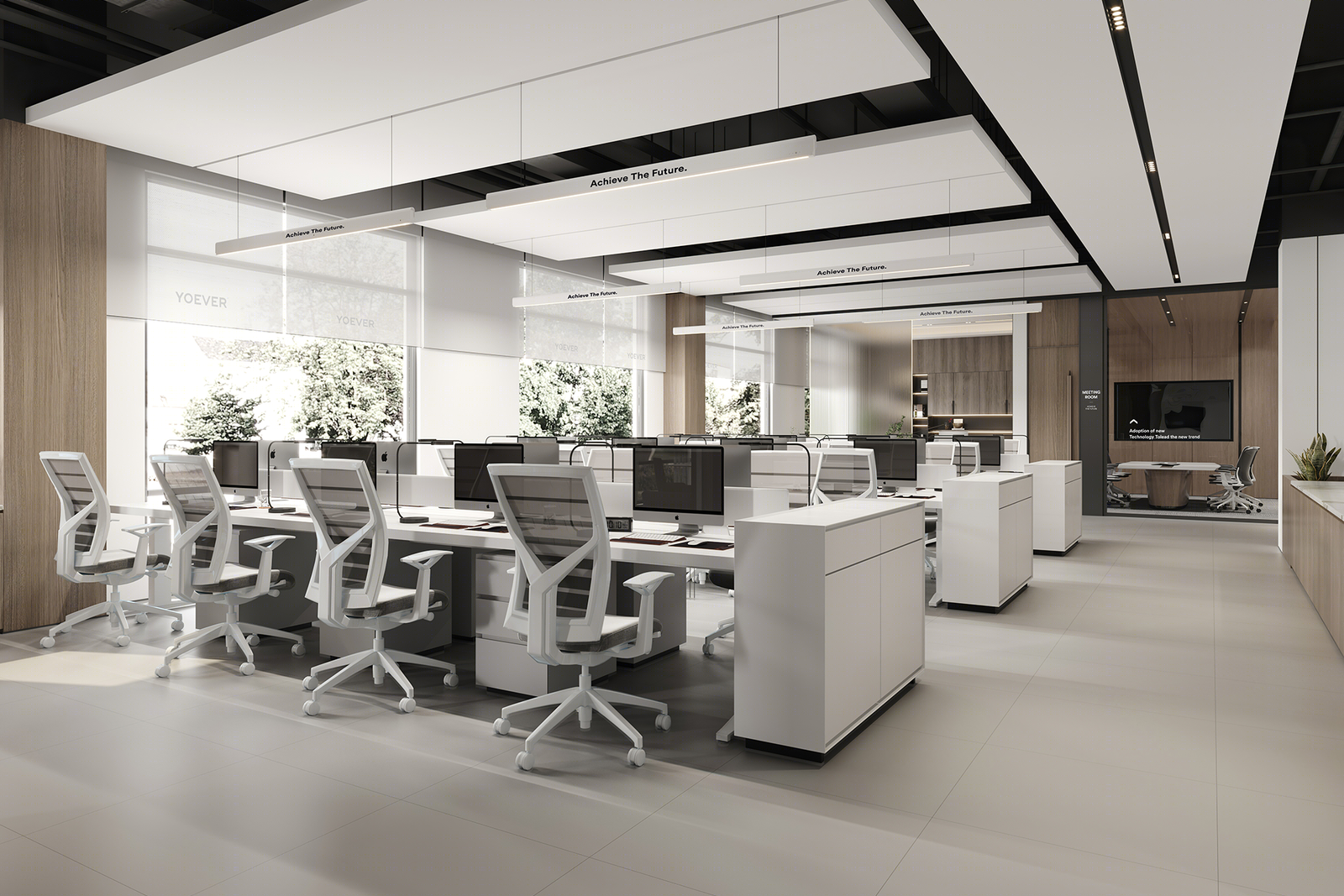
Support continuous fresh air supply and comfortable indoor working environments.
Hotels & Resorts
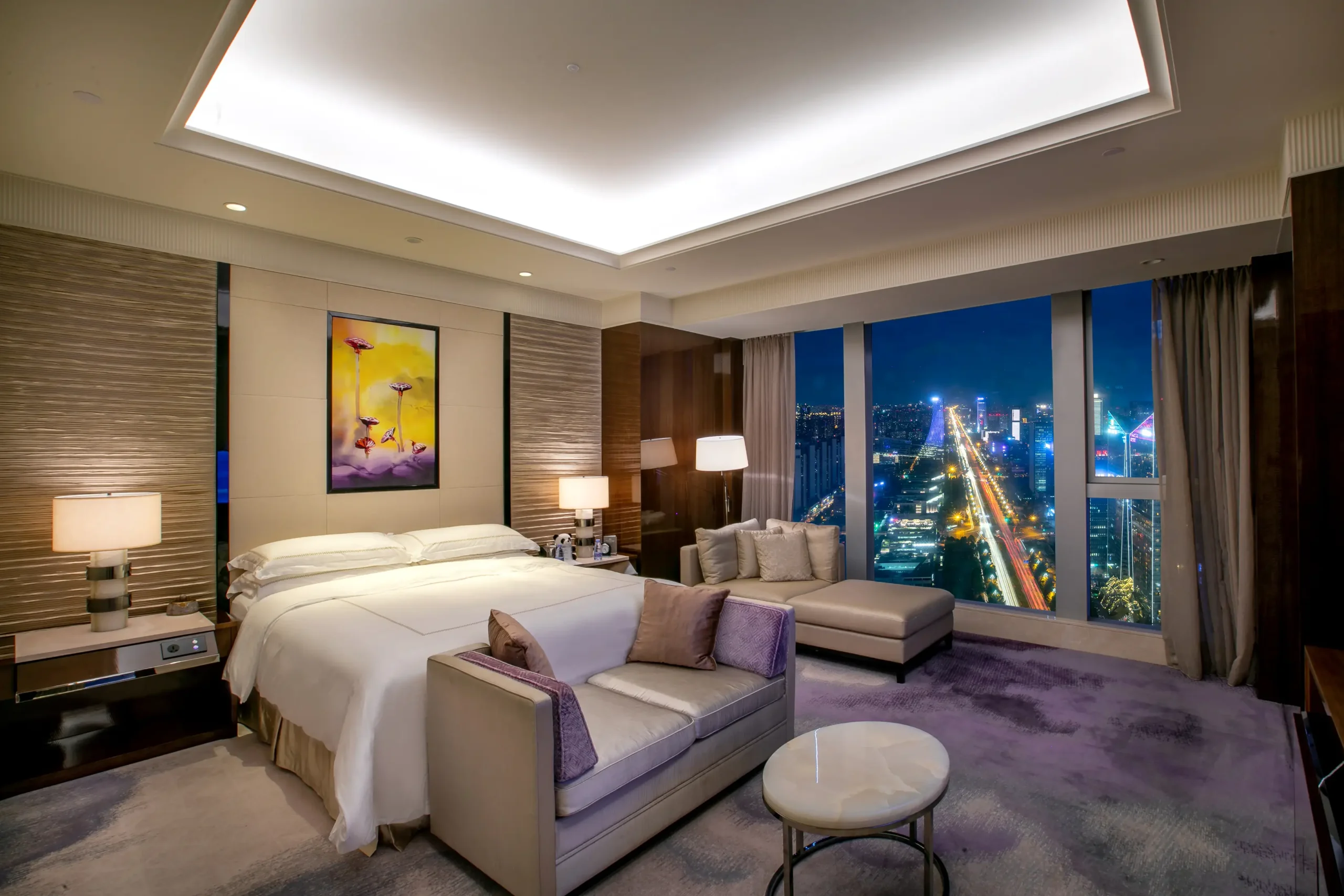
Help maintain indoor air quality while recovering energy from outgoing air.
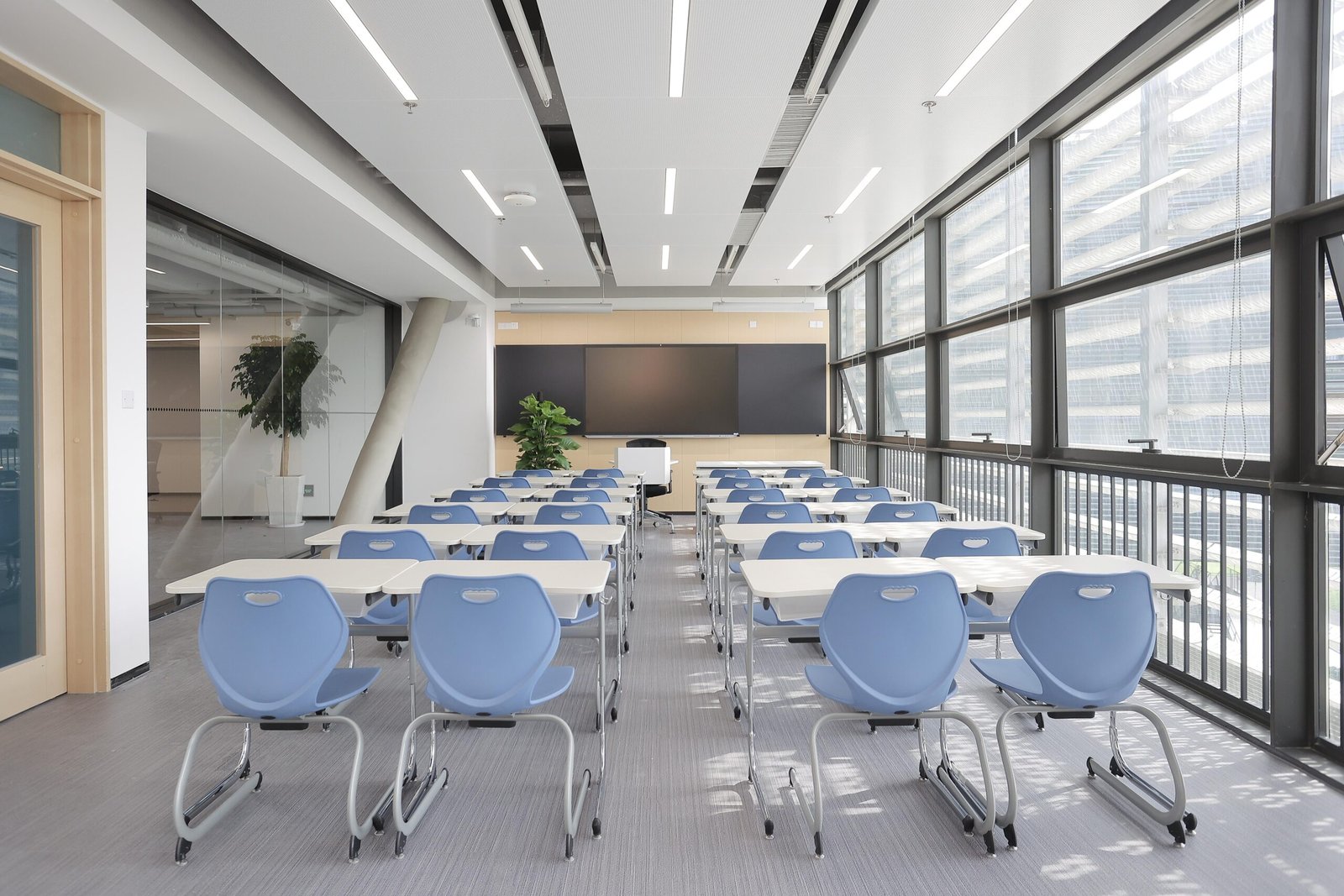
Schools & Educational Facilities
Deliver filtered outdoor air to occupied classrooms and shared indoor spaces.
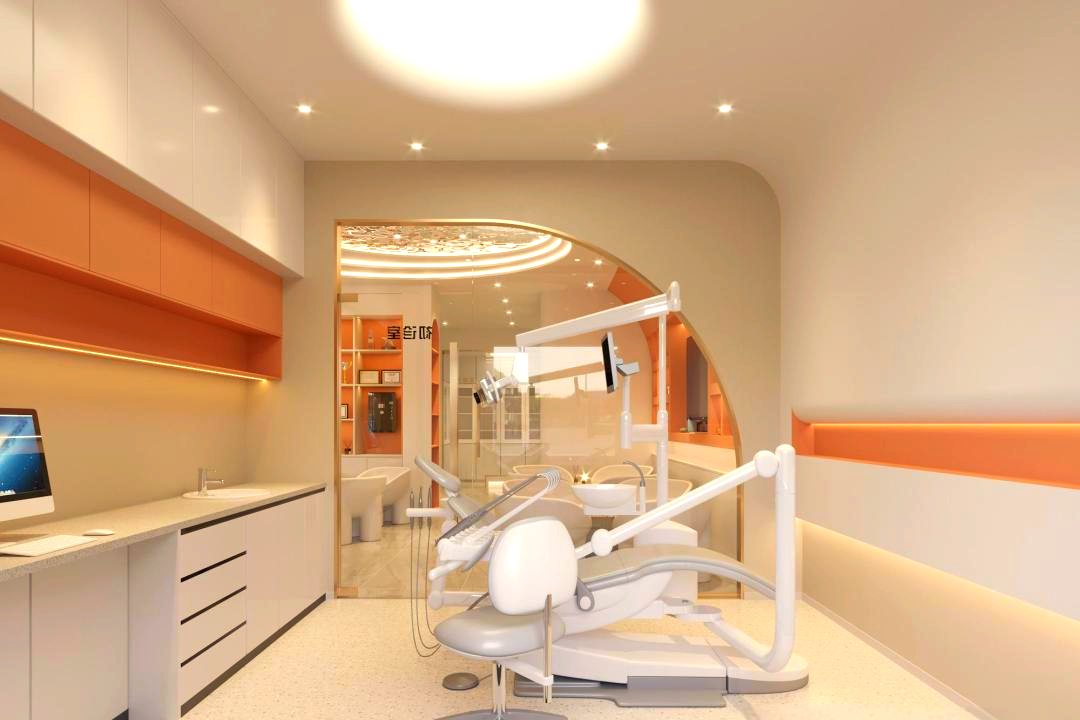
Healthcare Facilities
Support ventilation requirements with suitable filtration and project-specific configurations.
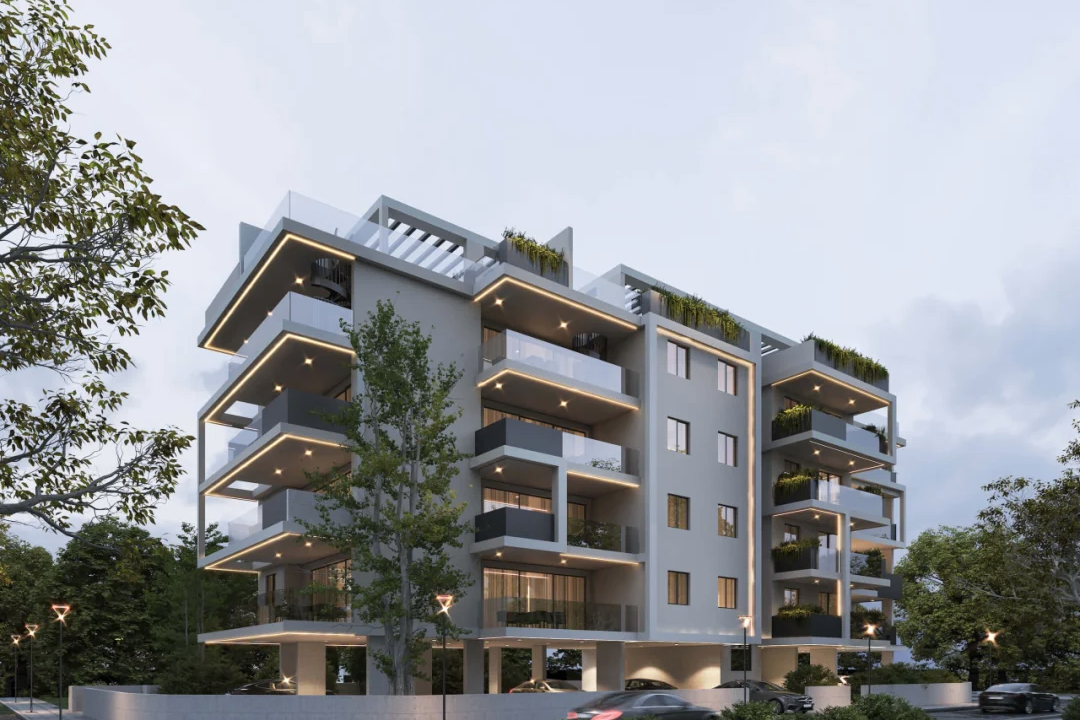
Residential Buildings
Provide fresh air ventilation with energy recovery to help improve ventilation efficiency.
Technical Specifications & Customization Options
ERV configurations tailored to project airflow, energy recovery, filtration and installation requirements.
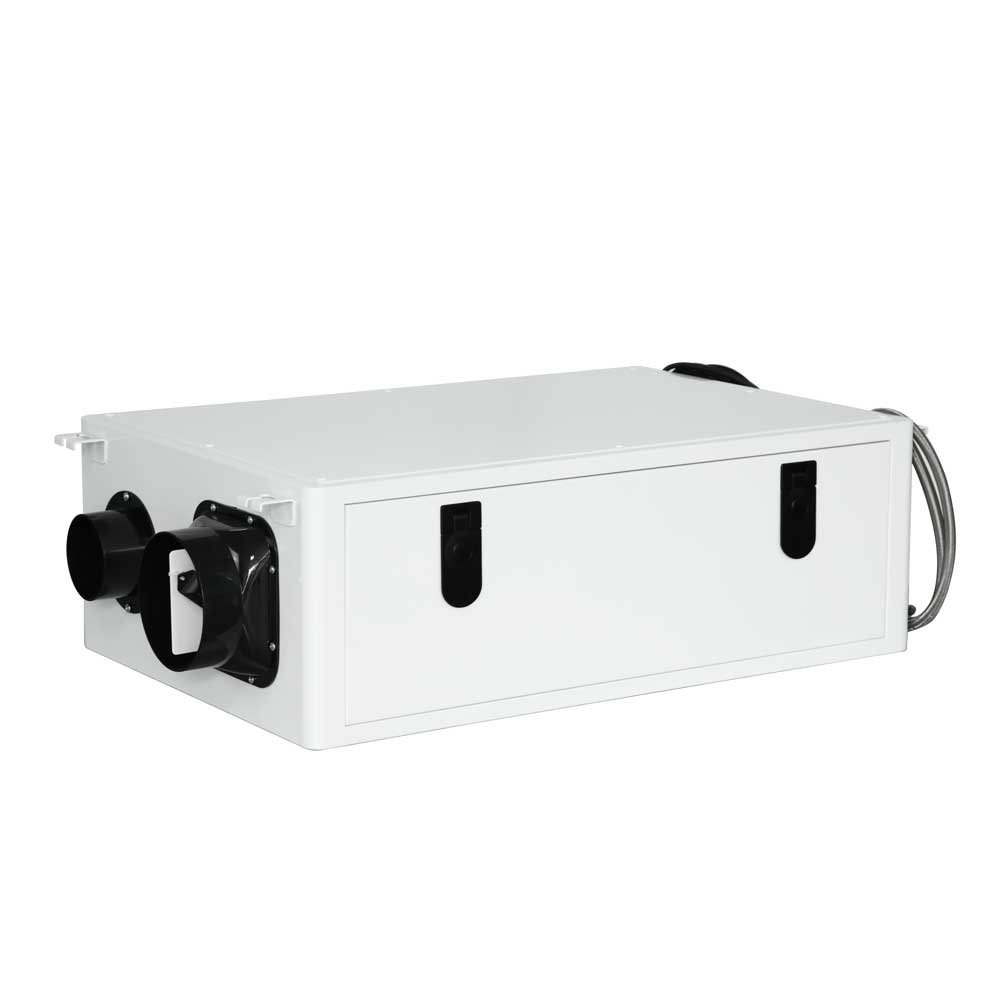
1. Airflow Capacity
Airflow capacity can be customized to meet project ventilation requirements and building size.
2. Energy Recovery Core
Core options are selected according to heat recovery requirements and application conditions.
3. Heat Recovery Efficiency
Recovery performance depends on the selected core and operating conditions. Model-specific data can be provided.
4. Filtration System
Filter options can be configured to meet project air quality requirements.
5. Fan & External Static Pressure
Fan selection and static pressure are matched to airflow and duct resistance.
6. Controls & Installation
Control options, electrical specifications and installation arrangements can be customized.
Frequently Asked Questions About Constant Temperature & Humidity Units
Find answers to common questions about desiccant dehumidifier customization, engineering and ordering.
What is an Energy Recovery Ventilator (ERV)?
An Energy Recovery Ventilator (ERV) supplies fresh outdoor air while recovering energy from exhaust air. Depending on the recovery core, it can transfer heat and moisture between the incoming and outgoing air streams, helping reduce ventilation-related heating and cooling loads while supporting indoor air quality.
What is the difference between an ERV and an HRV?
An ERV (Energy Recovery Ventilator) can transfer sensible heat and, when supported by the recovery core, moisture between incoming and outgoing air streams. An HRV (Heat Recovery Ventilator) primarily transfers sensible heat. The appropriate system depends on the project’s climate, indoor humidity requirements and ventilation design.
Can ERVs be customized for different projects?
Yes. ERV configurations can be tailored to project requirements, including airflow capacity, recovery core selection, filtration, fan configuration, external static pressure, electrical specifications and installation arrangements. Final options are determined according to the selected model and project conditions.
What airflow capacities are available?
Available airflow capacities depend on the ERV model and configuration. To help us recommend a suitable unit, please share the required airflow, building application, duct resistance or external static pressure, and any specific ventilation requirements. We can then review the appropriate configuration with you.
Can you provide technical drawings and product specifications?
Yes. We can provide relevant product specifications and technical documentation for the selected model according to project requirements. Please share your airflow requirements, installation conditions and other relevant design information so we can confirm the suitable configuration and available documentation.
START YOUR PROJECT
Need an ERV Solution for Your Project?
Tell us about your ventilation requirements. Sunchine provides customized Energy Recovery Ventilator solutions for commercial buildings, offices, hotels and other applications.