Industrial Dehumidifiers
Industrial Dehumidifiers
Reliable Humidity Control for Industrial Applications
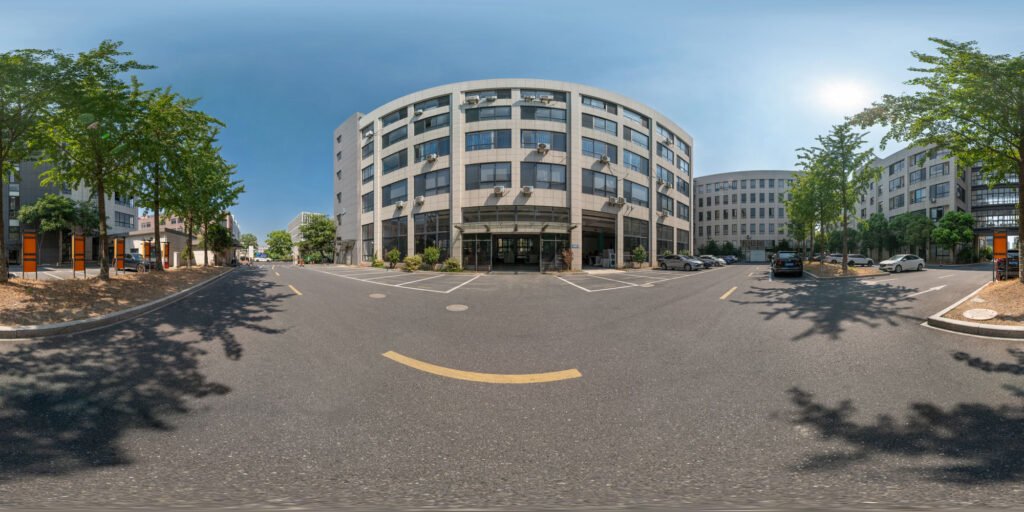
As an industrial dehumidifier manufacturer in China, Sunchine provides reliable and customized dehumidification solutions for factories, warehouses, production workshops, and other industrial facilities.
Excessive moisture in industrial environments can affect product quality, production processes, raw material storage, and equipment operation. Our industrial dehumidifiers are designed to remove excess moisture from the air and maintain suitable humidity conditions for different industrial applications.
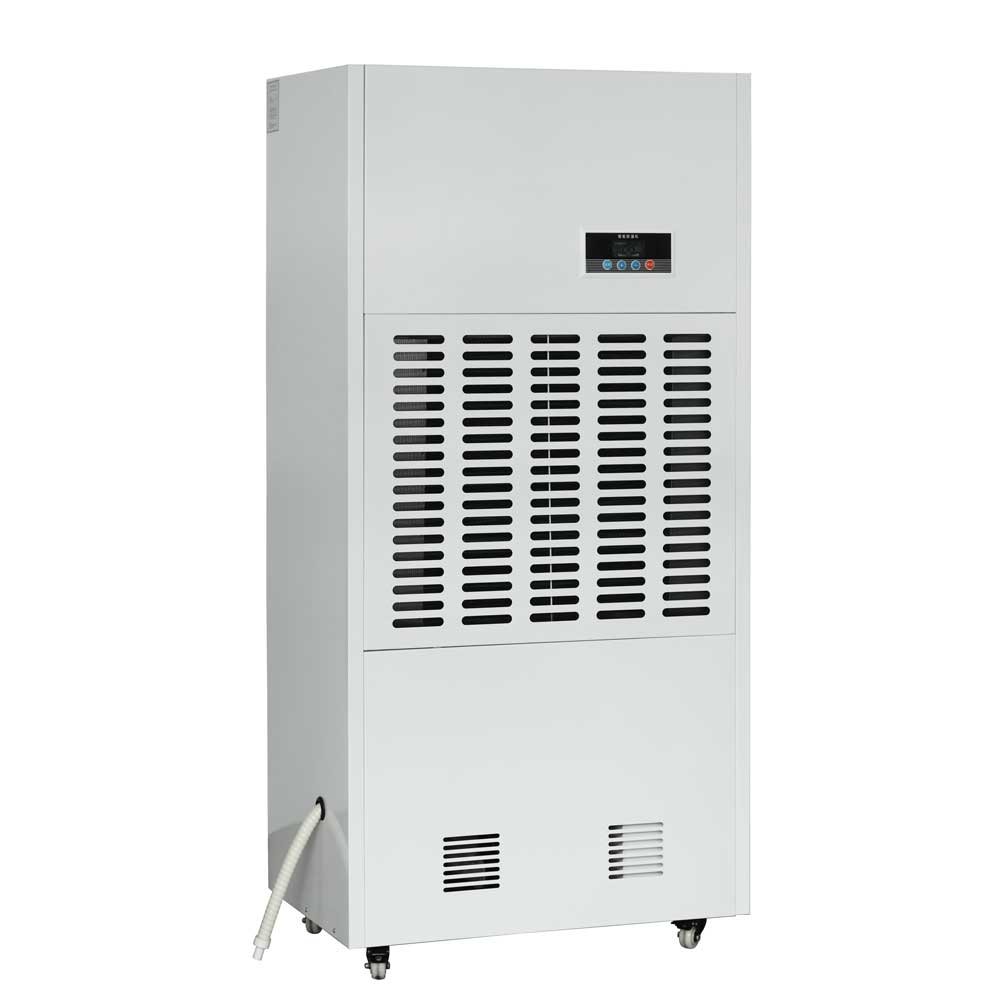
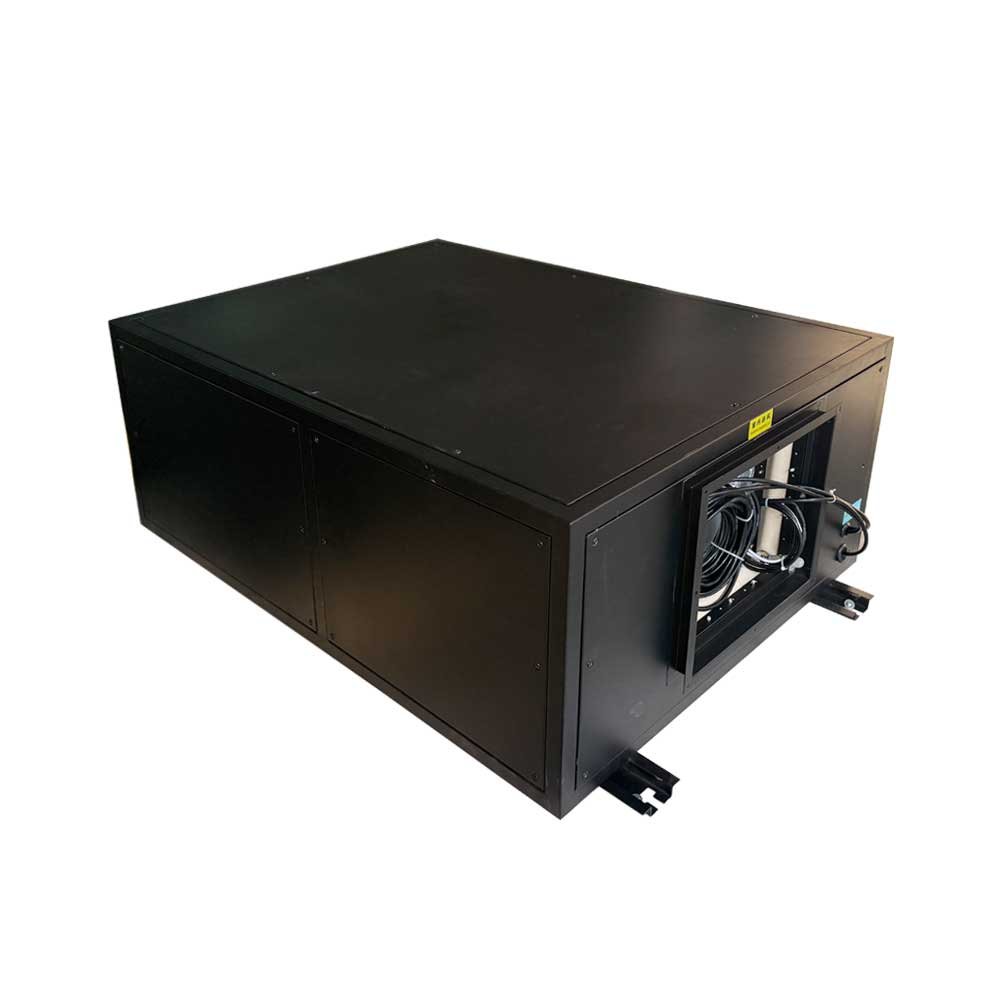
Depending on project requirements, Sunchine industrial dehumidifiers can be configured with different dehumidification capacities, airflow rates, humidity control settings, and automatic control functions. Our equipment can be tailored to the specific environmental conditions, installation space, and operating requirements of each project.
With factory-based manufacturing and project-oriented technical support, we work with engineering contractors and industrial end users to provide suitable humidity control solutions.

Key Benefits of Sunchine Industrial Dehumidifiers
Reliable moisture control solutions designed for industrial environments and project-specific requirements.
Effective Humidity Control
Designed to remove excess moisture and help maintain suitable humidity conditions in industrial spaces.
Flexible Configurations
Equipment configurations can be selected according to the required dehumidification capacity, operating conditions and installation space.
Wide Range of Applications
Suitable for humidity control in manufacturing facilities, warehouses, workshops and other moisture-sensitive environments.
Customized Industrial Solutions
Equipment selection and configuration can be tailored to project requirements, available space and site conditions.
How Industrial Dehumidifiers Work
Refrigeration-based dehumidification for reliable industrial humidity control.
1. Humid Air Intake
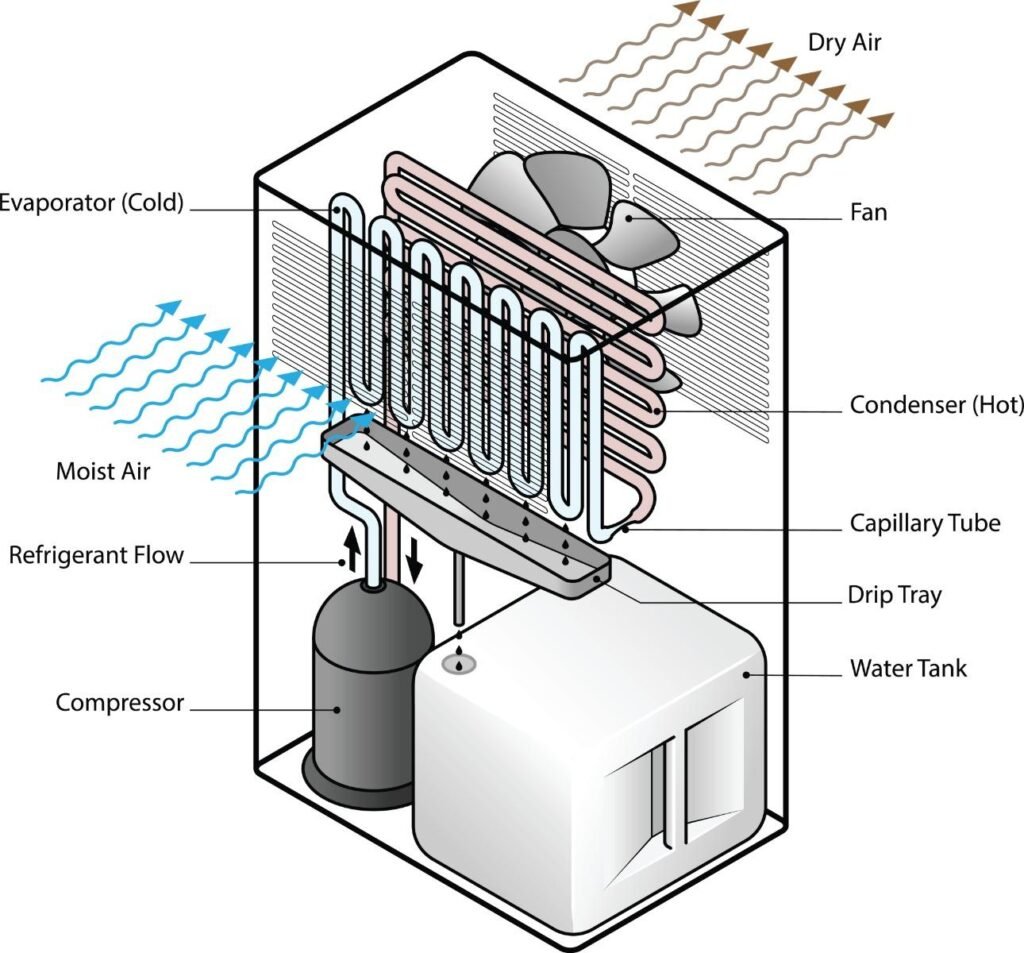
Humid air is drawn into the dehumidifier by a fan and passes through the air intake section toward the evaporator coil.
2. Cooling and Moisture Condensation
The evaporator coil cools the air below its dew point, causing excess moisture to condense into water droplets. The collected water is discharged through the drainage system.
3. Air Reheating
The dehumidified air passes through the condenser, where it is reheated before leaving the unit. This process helps reduce humidity without supplying excessively cold air to the space.
4. Dry Air Supply
The treated air is supplied back into the space to help control indoor humidity. Continuous operation supports more stable conditions in industrial facilities, warehouses and moisture-sensitive production areas.
Custom Industrial Dehumidifier Solutions for Different Applications
Where Industrial Dehumidifiers Are Used
Reliable humidity control for manufacturing, storage and other moisture-sensitive industrial environments.
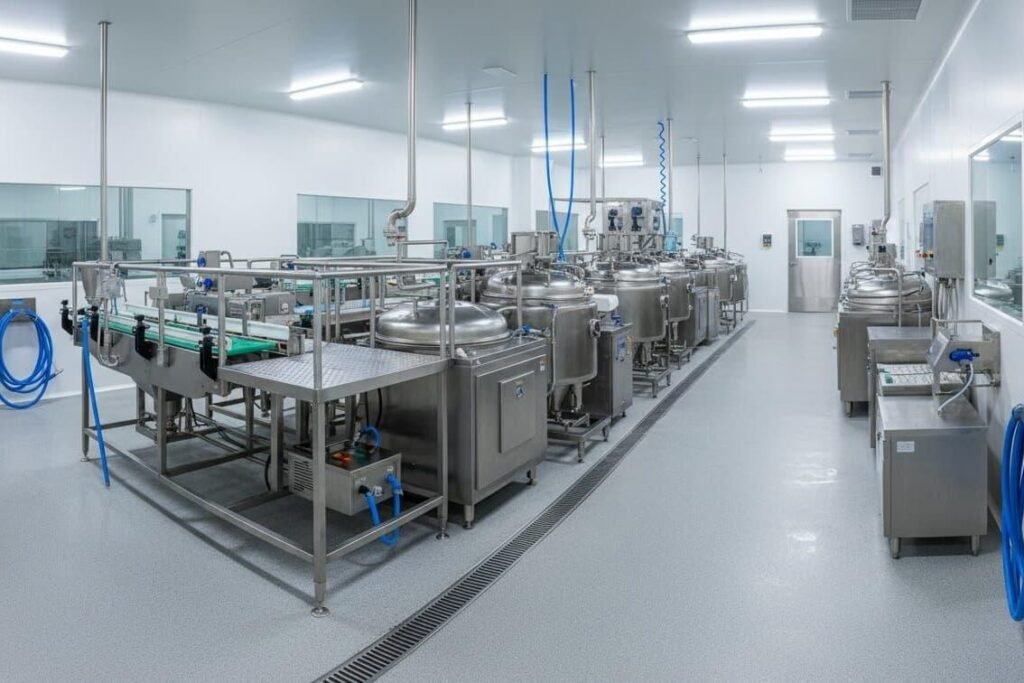
Food Processing Facilities
Support humidity management in food production and processing areas according to product handling and environmental requirements.
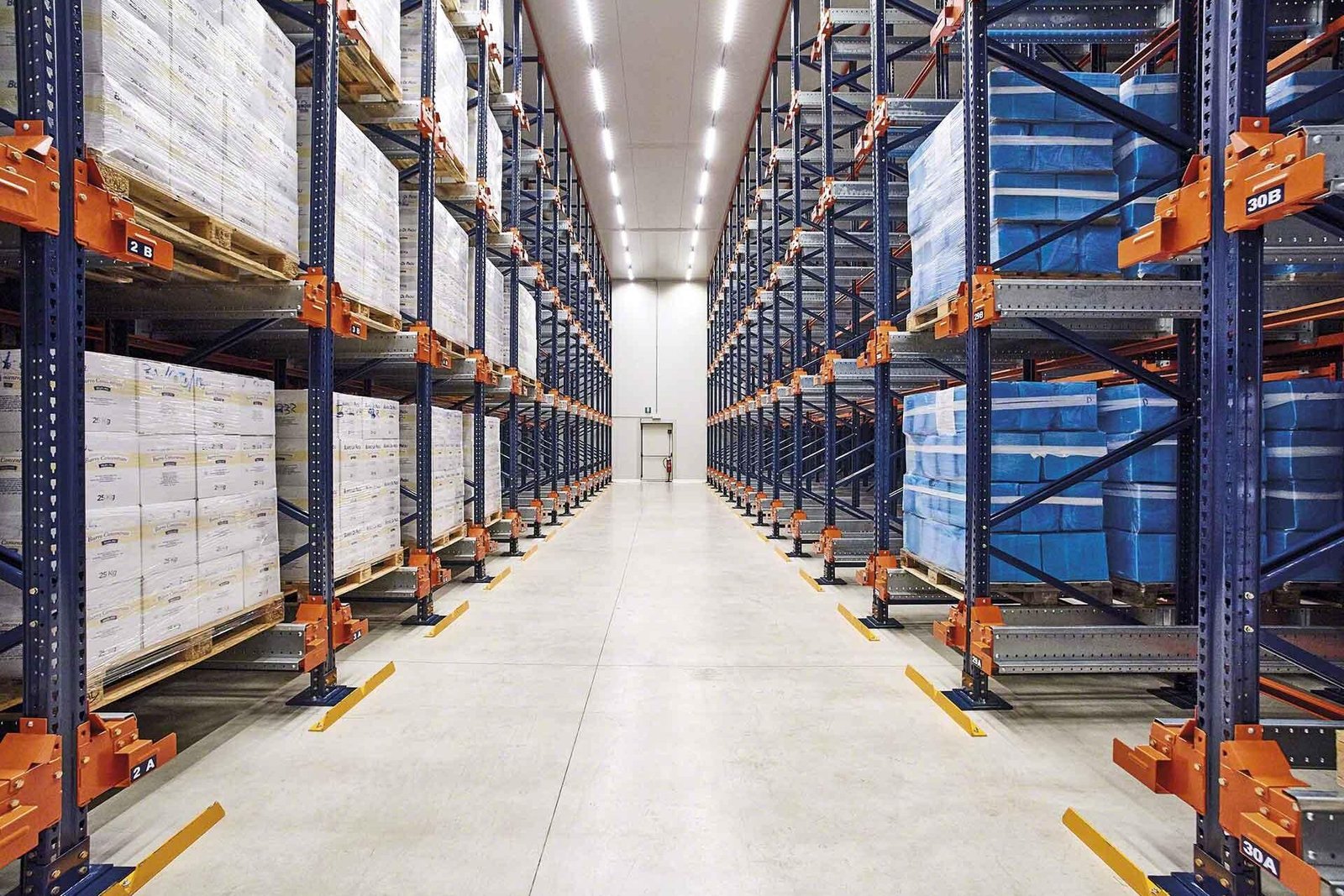
Warehouses & Storage Areas
Help reduce excess humidity in storage spaces to minimize condensation risks and protect stored goods and materials.
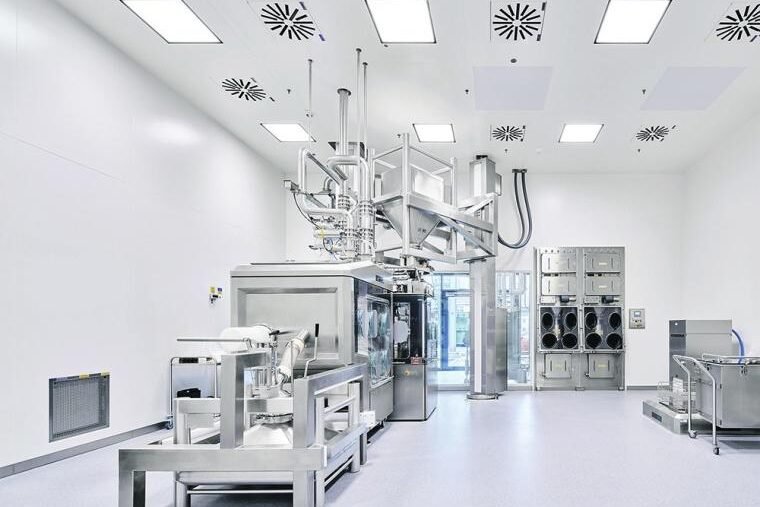
Pharmaceutical Facilities
Help maintain appropriate humidity conditions in production and packaging areas, subject to process and cleanliness requirements.
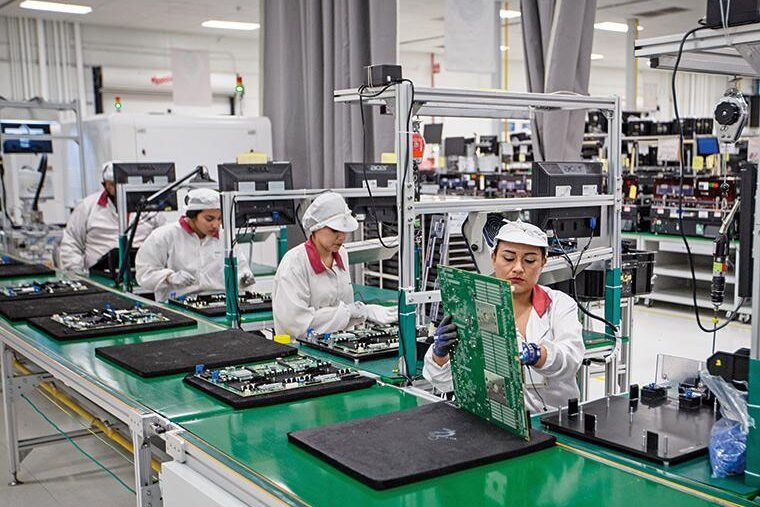
Electronics Manufacturing
Assist with humidity control in electronics production and assembly environments where moisture management is important.
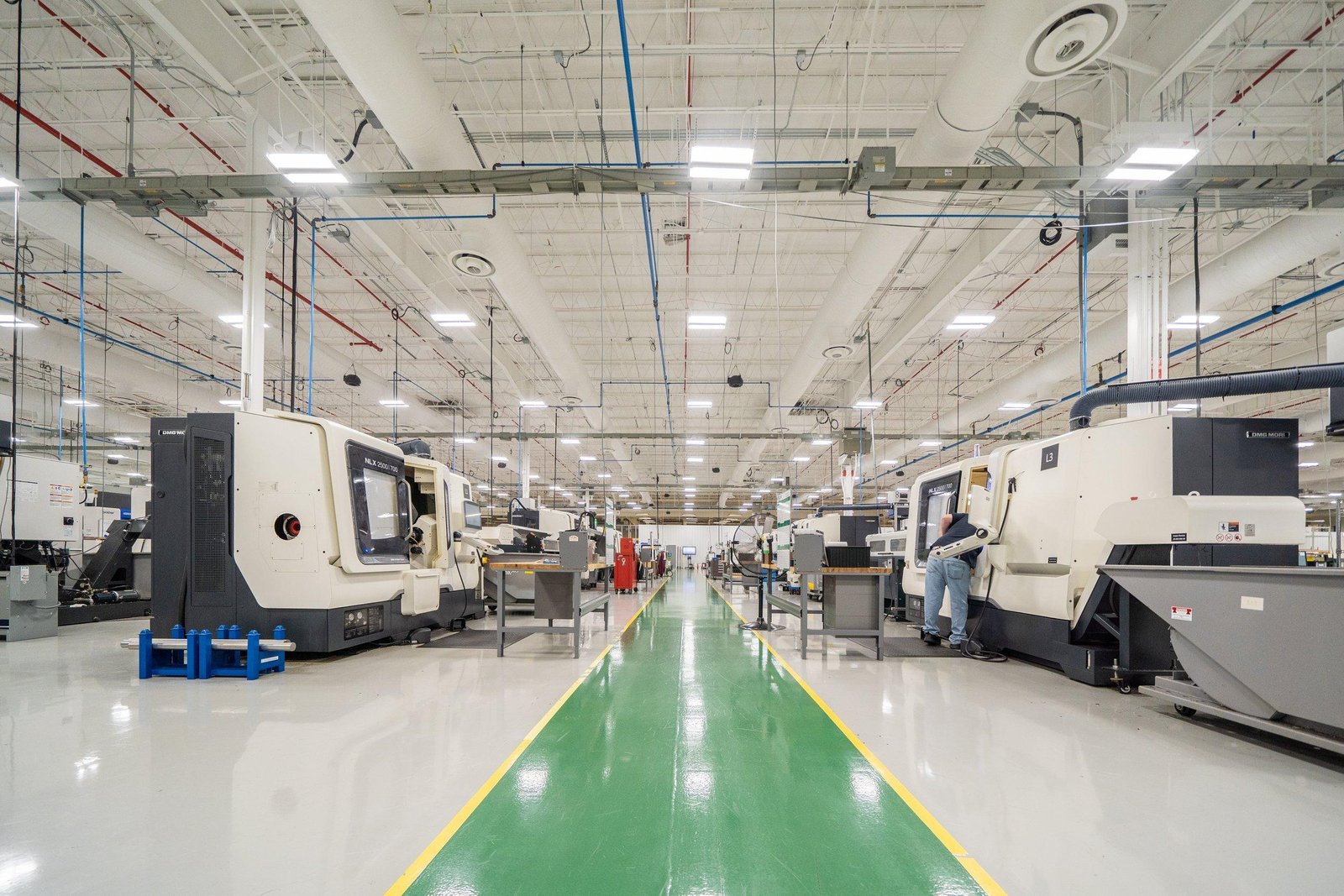
Manufacturing Facilities
Help control excess moisture in production areas to support stable operating conditions and protect moisture-sensitive materials.
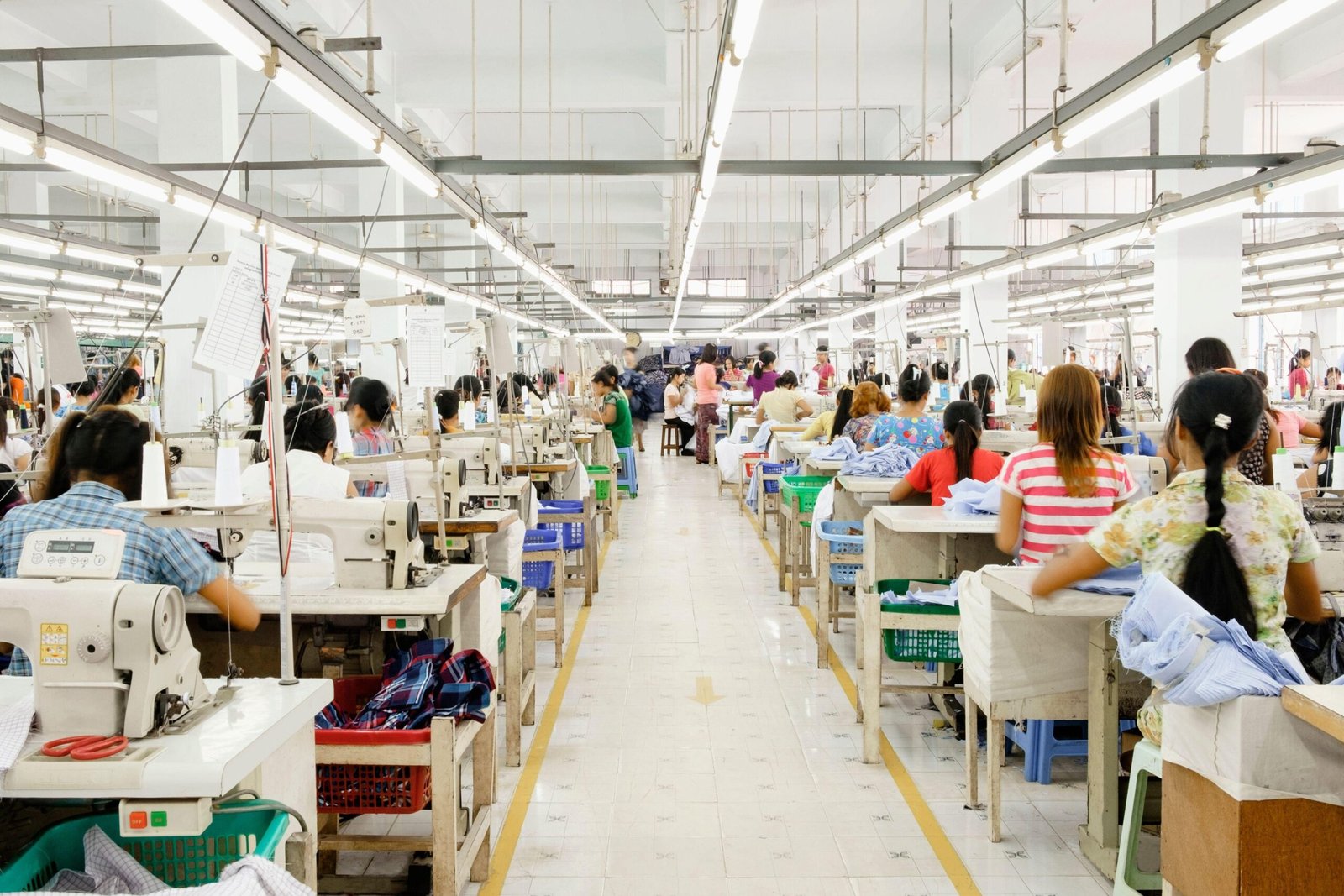
Textile & Garment Factories
Help manage excess moisture in textile processing, garment production and material storage areas.
Technical Specifications & Customization Options
Flexible configurations tailored to industrial humidity control and installation requirements.
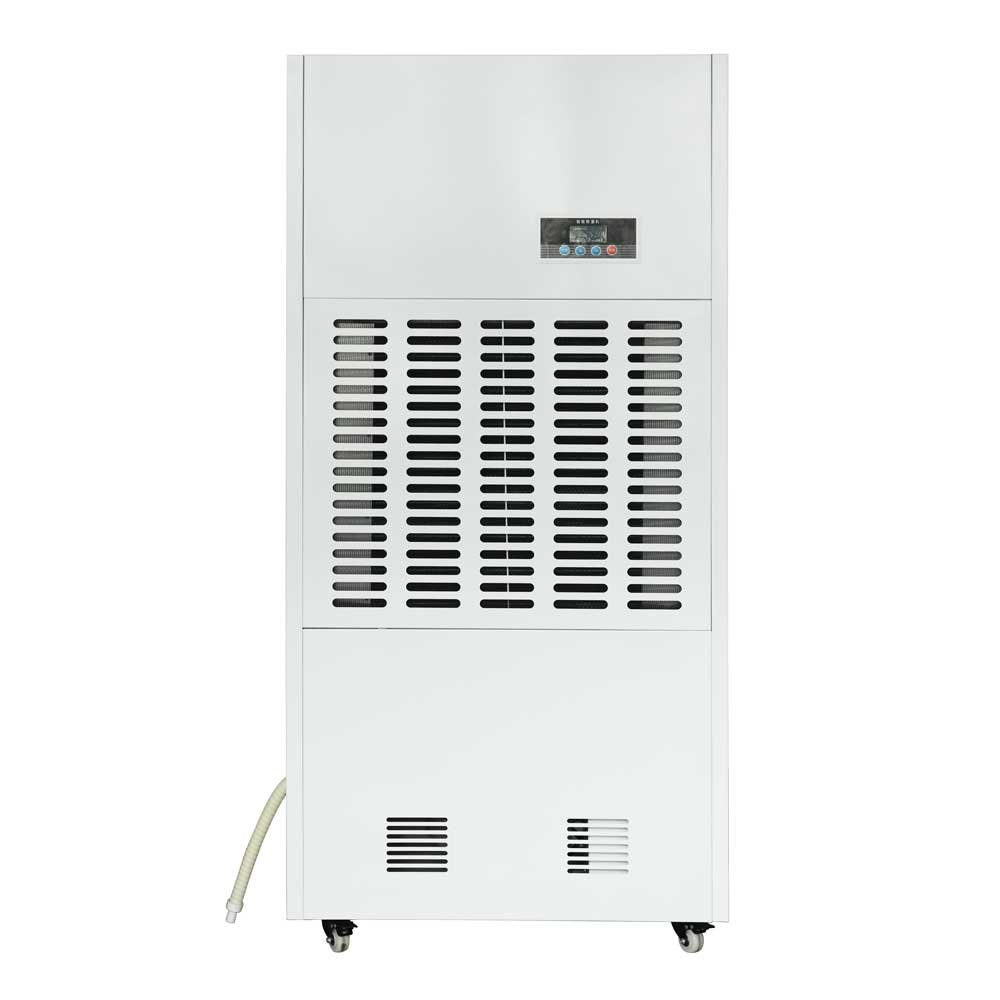
1. Dehumidification Capacity
From 90 L/D to 960 L/D.
2. Airflow Capacity
From 1000 m³/h to 20000 m³/h.
3. Operating Temperature Range
From 5℃-38 ℃.
4. Humidity Control Requirements
Humidity control settings can be configured according to the required indoor relative humidity and application conditions.
5. Drainage & Installation
Drainage arrangements, unit placement and installation requirements can be discussed according to the site layout and project conditions.
6. Controls & Customization
Control options, electrical specifications and equipment configurations can be tailored to the selected model and project requirements.
Frequently Asked Questions About Industrial Dehumidifier?
Find answers to common questions about industrial dehumidifier customization, engineering and ordering.
How do I choose the right dehumidifier capacity?
The required capacity depends on the room size, initial and target humidity levels, operating temperature, moisture load and air infiltration. Share your project conditions with us so we can help identify a suitable model.
How does an industrial dehumidifier work?
An industrial refrigeration dehumidifier draws humid air over a cooled evaporator coil, where moisture condenses into water and is drained away. The air then passes through the condenser before being supplied back into the space.
What operating temperature and humidity conditions are required?
Suitable operating conditions depend on the selected model and the application. Please provide the expected temperature, current relative humidity and target relative humidity so we can evaluate the requirements.
Can you customize industrial dehumidifiers for different projects?
Yes. Equipment selection and configuration can be discussed according to the required dehumidification capacity, airflow, installation space, control requirements and site conditions.
What is your typical production lead time?
Our standard production lead time is approximately 15-25 days. The actual lead time may vary depending on the model, customization requirements and order quantity. We will confirm the estimated delivery schedule before order confirmation.
START YOUR PROJECT
Need a Customized Industrial Dehumidifier Solution?
Tell us your required dehumidification capacity or room volume and other detail requirements. Our team will help you select a suitable system for your project.
Customized to your project